GCSE Astronomy
GCSE Astronomy at Kimbolton
Only open to Year 9 (Third Form) and Year 10 (Fourth Form) pupils who are members of our Astronomy Club
Have you ever wondered how stars are born, why eclipses happen, or whether life exists beyond Earth? GCSE Astronomy explores the wonders of the Universe, combining scientific knowledge with practical observation.
Through studying planets, stars, galaxies and cosmology, you will develop a deeper understanding of our place in space.
About the course
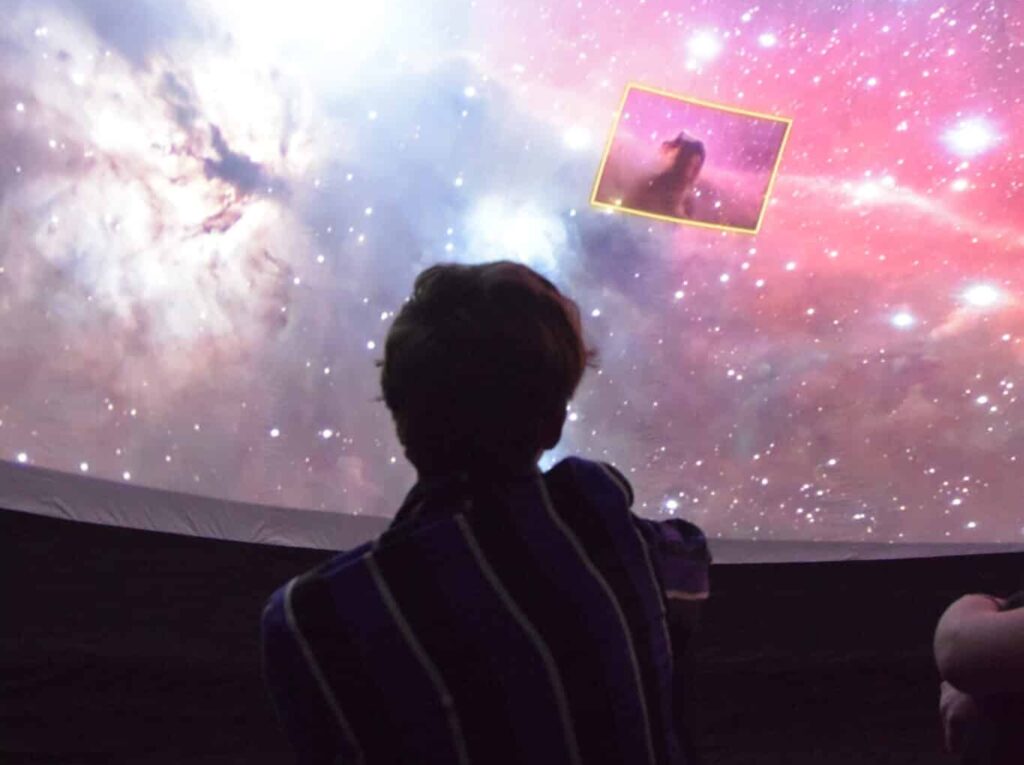
Pearson Edexcel GCSE Astronomy is a fascinating and unique course that develops knowledge of the Solar System, stars, galaxies and the wider Universe.
Pupils learn how astronomers observe celestial objects and investigate key scientific discoveries.
The course includes practical observational work, data analysis and an appreciation of how scientific understanding of the cosmos has evolved over time.
“Astronomy allows pupils to explore some of the biggest questions humanity has ever asked. It combines scientific rigour with a genuine sense of wonder, encouraging curiosity, resilience and a deeper understanding of our place in the Universe.”
Cameron Holmes, Head of Physics/Director of Science, Kimbolton School
Assessment
The GCSE Astronomy qualification is assessed through two written examinations, each worth 50% of the final grade.
Paper 1: Observational Astronomy (1h 45)
- Celestial observations and equipment
- Earth, Moon and Sun system
- Planetary motion and the Solar System
- Time and the Earth’s movements
- Observing techniques and astronomical instruments
- Practical observational tasks
Paper 2: Astrophysics (1h 45)
- The properties and life cycles of stars
- Galaxies and the structure of the Universe
- Cosmology and the Big Bang Theory
- Space exploration
- Historical developments in astronomy
- The work of influential astronomers
Observational requirements
Pupils complete a series of observational activities during the course. These may include:
- Observing the Moon and tracking its phases
- Planetary observations
- Identifying constellations and deep-sky objects
- Solar observations (using appropriate equipment and safety procedures)
- Telescope-based investigations
There is no coursework, but observational experiences form an important part of the learning and assessment preparation.
Beyond the classroom
Pupils studying Astronomy at Kimbolton School can extend their learning through:
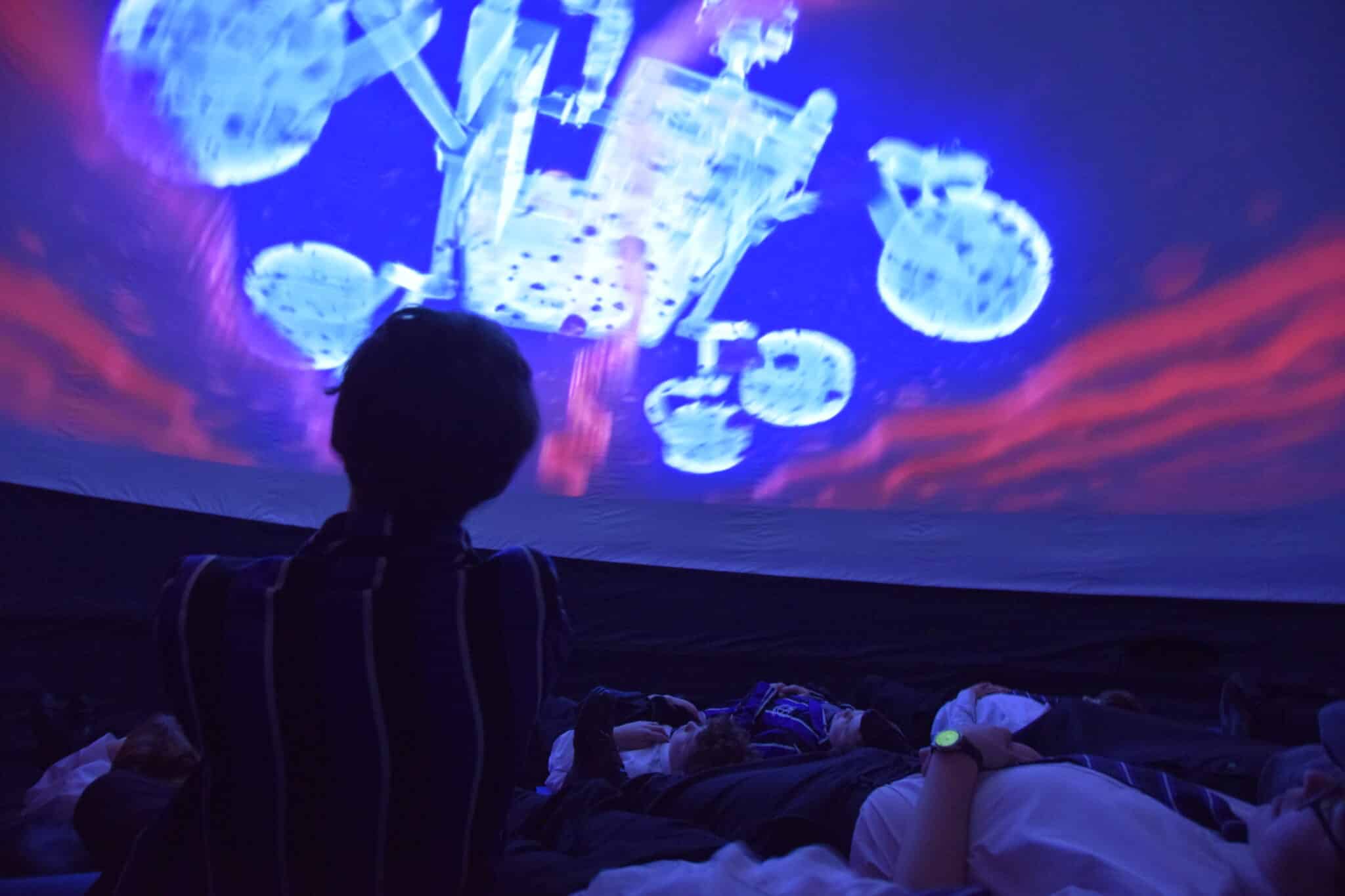
- Regular observing sessions using school telescopes and astronomical equipment
- Opportunities to participate in national astronomy challenges and competitions
- Visits to observatories, planetariums and science centres
- Guest lectures from professional astronomers and space scientists
- Astronomy Society activities, including astrophotography and celestial event observations
“The more you know of the heavens, the greater will be your wonder.”
Adapted from Aristotle
You will enjoy Astronomy if you…
- Are fascinated by space, planets, stars and the origins of the Universe
- Enjoy scientific investigation, observation and problem-solving
- Like asking big questions about how the cosmos works
- Want to combine Physics with real-world exploration of the night sky
Skills you will develop
- Scientific observation and data collection
- Analytical and critical thinking
- Problem-solving and mathematical skills
- Practical use of astronomical equipment
- Interpretation of scientific evidence
- Research and communication skills
- Understanding of the scientific method
- Appreciation of major scientific discoveries and their impact