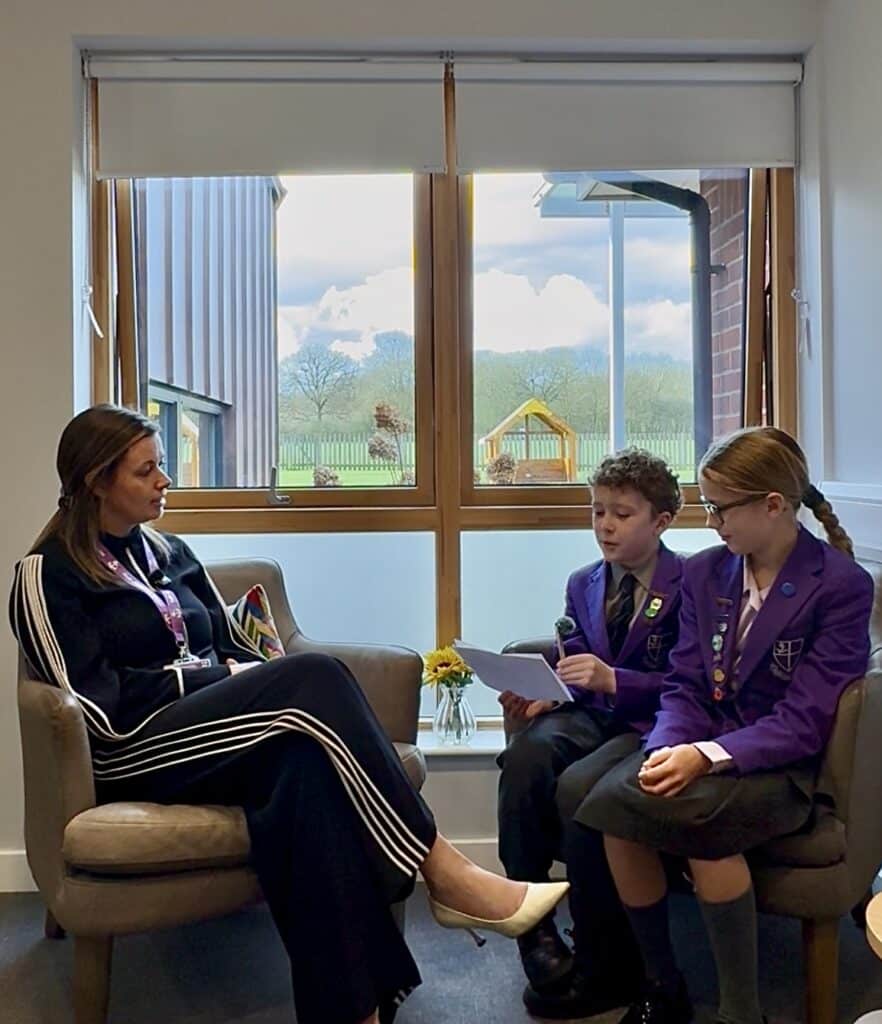

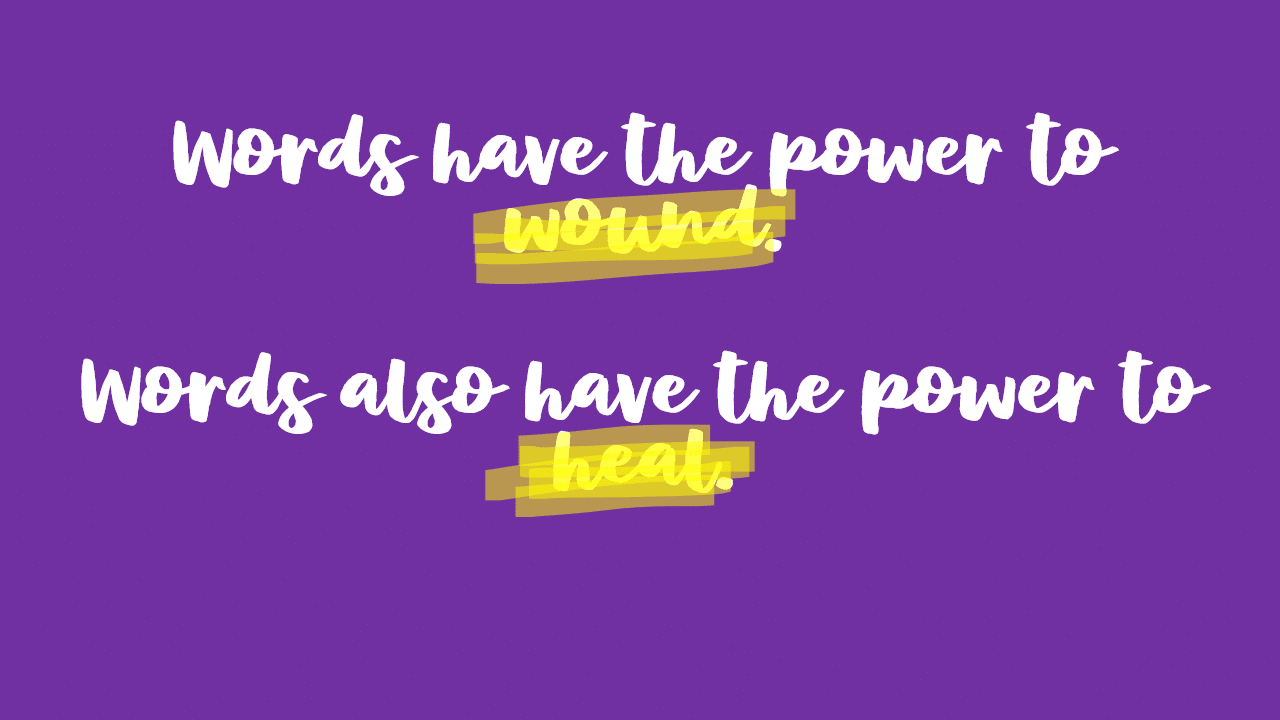
Our recent school assembly, led by our Heads of Houses, focused on a topic that we all use every day: something powerful, free, and capable of changing someone’s day, their confidence, or even their future — the power of words.
Imagine two pupils starting the same school morning. One, tired and stressed, is greeted with a harsh comment: “You look so miserable today!” He slumps under the weight of those words. The other pupils, equally tired, are met with a simple, kind remark: “Morning! I love that scarf you’re wearing, it really suits you.” That tiny gesture lifts his mood, starts a conversation, and sparks a smile.
Same morning. Same tiredness. Two completely different beginnings—all because of words.
Why words matter
During the assembly, our Heads of House highlighted three ways words shape our lives:
- Words shape identity. Hearing kind or unkind words repeatedly affects how we see ourselves.
- Words influence actions. Encouraging words can give someone courage to try something new, while hurtful words can stop them before they start.
- Words leave lasting marks. Most of us remember compliments that lifted us—and insults we wish we could forget. Words often outlive the moment.
Our pupil speakers reminded us to reflect on both sides: the times someone’s words lifted us up, and the times someone’s words hurt us. They shared findings from this year’s bullying survey, which showed that the most common negative behaviours reported all involved words.
They spoke candidly about incidents in different Houses—comments that were hurtful, thoughtless, or used as jokes. These examples remind us that:
- People don’t always know what someone is already going through.
- Words can affect people far more than we realise.
- We have a responsibility to use words with care, kindness, and respect.
Lift up or tear down
Our Heads of Houses reinforced that words can either lift someone up or tear them down.
- Words that lift require courage and kindness. They notice someone else and make their day better. Examples include: “You’ve got this,” or “You worked really hard on that.”
- Words that tear down may take seconds to say but leave lasting damage. Sarcasm, insults, or sweeping judgments like “You always mess things up” can hurt deeply.
They also reminded pupils about the digital world: typed words—texts, messages, online comments—are not less powerful than spoken ones.
“Typed words don’t disappear, they can be shared or saved beyond our control. The person reading them cannot hear your tone, expression or intention. If you wouldn’t say it to someone’s face, don’t type it.”
A call to kindness
Our assembly was a powerful reminder that words are more than sounds or letters—they are actions. You don’t choose how they are received. As soon as they leave your mouth, you have lost control over them. They can build bridges or burn them, inspire confidence, or inflict pain.
Every day, each of us has the choice: to speak with thoughtfulness, kindness, and courage. A single word can change a moment, a mood, or even a life. Words matter wherever you are.
One School. One Family.